Skip to product information
1 of 1

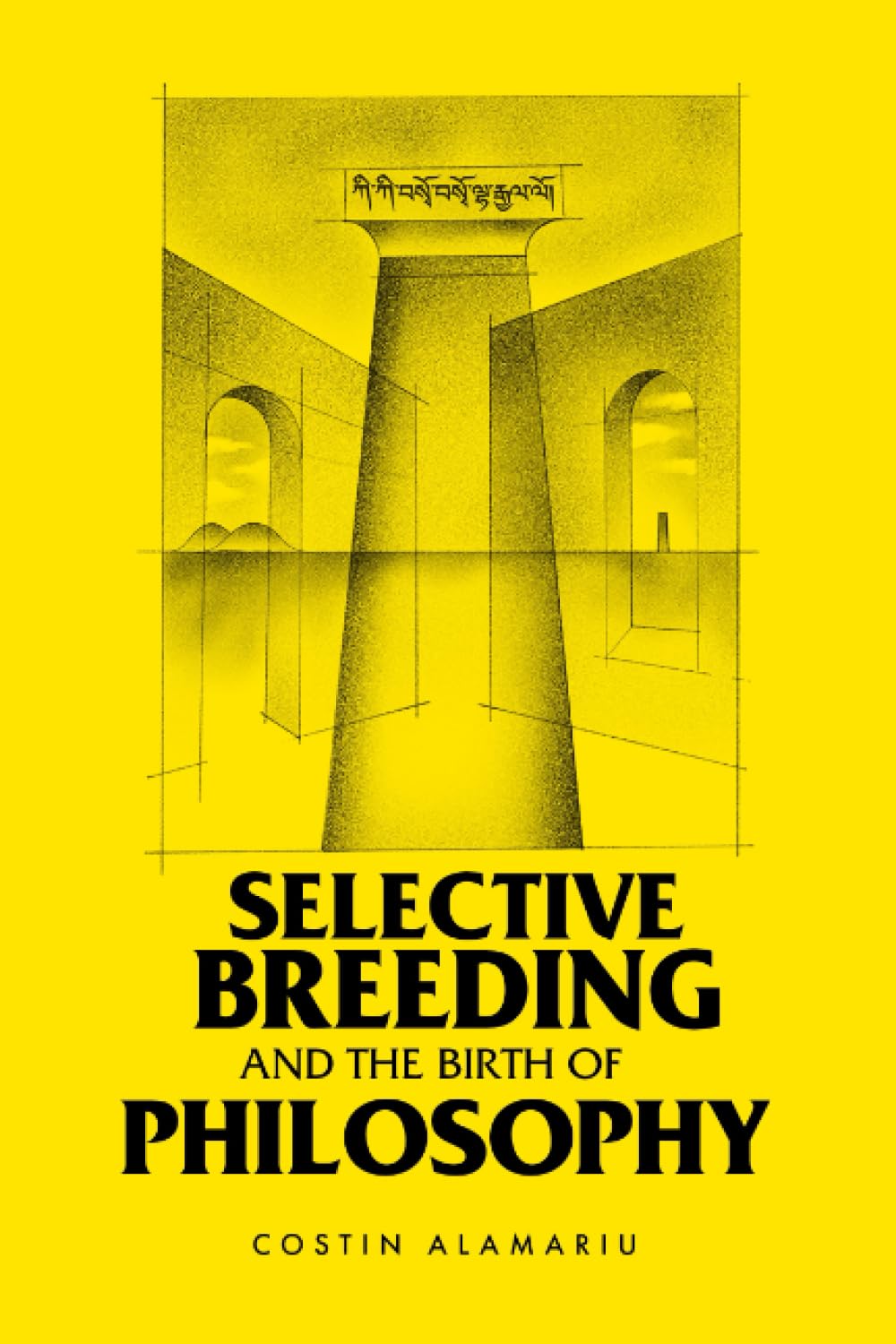
Stock cover image; actual copy may differ.

Selective Breeding and the Birth of Philosophy

Regular price
$999.99 USD
Regular price
Sale price
$999.99 USD

Book details

Alamariu, Costin Vlad

Condition
Very Good
Format
Paperback
ISBN
Not listed

Crisp copy with a sturdy binding and light shelf wear.

Shipping calculated at checkout.
Description
This is an argument that philosophy is born with and dependent on the idea of nature; and that this idea was first discovered or manifested in the perception of biological reality, in particular the perception of hereditary transmission of physical and behavioral qualities, together with the perception that moral and legal codes are relative and contingent. It was generally only within the spiritual and intellectual horizon of certain types of aristocracies to have access to such perceptions, as well as ability and liberty to openly state or explore them. A connection is further observed, on these grounds, between philosophy and tyranny, or rather the philosopher and tyrant as closely related types that emerge during the decline of e.g., Greek and Renaissance Italian aristocratic communities. I make this case through a study of Nietzsche's reading of antiquity, in particular his reading of Plato and Pindar, or rather a Nietzschean reading of these. The first long chapter also covers George Frazer and anthropological and historical literature, as well as Homer. This is a revised version of my own doctoral dissertation, and includes a long new introduction explaining my intentions in this book. I make the case in this introduction that this same matter of selective breeding, whether sexual selection, or various societies' management of marriage and reproduction, constitutes the most important part of morality, legislation, or of the "lawgiver's art," and that a sharp awareness of this reality is what led, again, to the discovery of the standard of nature and the subsequent birth of philosophy. The type of the tyrant is ultimately interpreted as a kind of "active philosophy," although it must be emphasized that such can only be the case for the ancient Greek or Renaissance Italian type, not what is called by the name "tyrant" indiscriminately today. Accordingly the voice of Callicles in Plato's Gorgias is interpreted as the political philosophy, or the weaponized posture of the pre-Socratic philosophical type.
ASIN: B0CJ3ZDHF6
VSKU: GBV.B0CJ3ZDHF6.VG
Condition: Very Good
Author/Artist:Alamariu, Costin Vlad
Binding: Paperback
Note: Any images shown are stock photographs and product may differ from what is shown.
Condition Notes: Crisp copy with a sturdy binding and light shelf wear.
Shipping

We currently ship retail orders within the United States. Orders are normally prepared for carrier handoff within 1–2 business days, excluding weekends and holidays. Carrier transit time is additional.

Available services and charges depend on order value, package weight, destination, and the method selected. Checkout shows the applicable options before payment; not every order qualifies for free shipping.

Read the shipping policy.

Returns

You may request a return within 30 calendar days after delivery. Contact us before sending a book back.

Customers pay change-of-mind return postage. For a wrong, damaged, or materially misdescribed item, we provide a prepaid return label or another resolution you accept. See the policy for eligibility, original shipping charges, and refund timing.
Read the returns and refund policy.

Selective Breeding and the Birth of Philosophy — used book cover