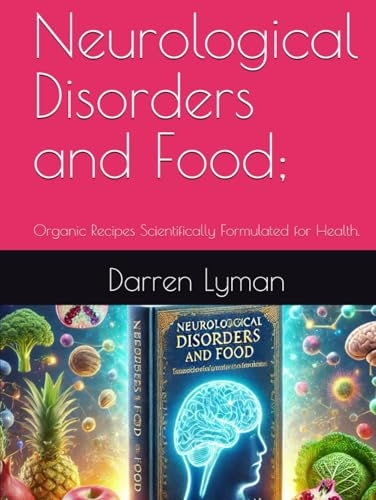
Neurological disorders such as Alzheimer’s disease, Parkinson’s disease, multiple sclerosis (MS), amyotrophic lateral sclerosis (ALS), and epilepsy are marked by cognitive decline, motor dysfunction, and neuronal damage, driven by mechanisms like chronic inflammation, oxidative stress, and mitochondrial dysfunction. Diet has emerged as a key factor in mitigating these conditions, with specific foods offering neuroprotective benefits by addressing these underlying mechanisms. Antioxidant-rich fruits such as blueberries, pomegranates, and avocados are particularly effective. Blueberries enhance memory and synaptic plasticity while reducing oxidative stress, especially in Alzheimer’s disease. Pomegranates combat neuroinflammation and oxidative damage, showing promise in ALS and vascular dementia. Avocados, rich in monounsaturated fats, improve cerebral blood flow and support neuronal membrane integrity. Vegetables like spinach, broccoli, and beets also contribute significantly to brain health. Spinach, high in lutein and folate, reduces inflammation and supports neurotransmitter synthesis. Broccoli’s sulforaphane activates detoxification pathways and protects neurons, crucial for conditions like MS and Parkinson’s disease. Beets, with their high nitrate content, improve brain oxygenation and cognitive function.
Functional ingredients amplify these effects. Turmeric, with its active compound curcumin, reduces amyloid plaque accumulation and neuroinflammation in Alzheimer’s disease. Garlic’s allicin combats oxidative stress, while flaxseeds, a source of omega-3 fatty acids, promote neuronal repair and reduce inflammation in MS and ALS. Beverages like green tea and pomegranate juice, rich in antioxidants, further enhance neuronal resilience by reducing oxidative damage.
Psilocybin mushrooms add a promising dimension to neurological health by promoting neuroplasticity—the brain’s ability to form and reorganize synaptic connections. This is particularly valuable in Alzheimer’s, depression, and stroke recovery. Psilocybin also regulates emotional states, reducing anxiety and depression that often accompany neurological disorders. When combined with neuroprotective foods, psilocybin mushrooms may amplify benefits. For instance, antioxidant-rich blueberries and walnuts paired with psilocybin’s neuroplastic effects may enhance memory and learning. Anti-inflammatory foods like turmeric and pomegranates complement psilocybin’s ability to foster neuronal recovery. However, psilocybin use requires controlled microdosing (0.1–0.2 grams) in safe, supervised settings to ensure efficacy and safety.
In contrast, diets high in sugar, trans fats, and processed foods exacerbate neurological risks. High-sugar diets promote insulin resistance, a key risk factor for Alzheimer’s disease, while trans fats worsen inflammation and oxidative damage. Pesticide-laden produce poses additional risks, particularly for Parkinson’s disease. Sedentary lifestyles, chronic stress, and poor sleep further compound these risks, impairing cerebral blood flow and neuronal repair.
A holistic approach combining a nutrient-dense diet, exercise, stress management, and adequate sleep creates a synergistic framework for brain health. Foods rich in antioxidants, anti-inflammatory compounds, and essential nutrients, along with emerging therapies like psilocybin mushrooms, hold significant potential to delay disease progression, promote cognitive resilience, and improve quality of life in neurological disorders. ASIN: B0DV3PVGKS VSKU: GBV.B0DV3PVGKS.G Condition: Good Author/Artist:Lyman, Darren Binding: Hardcover Note: Any images shown are stock photographs and product may differ from what is shown. Condition Notes: Book has minor corner edge dings and or scratches. Book is slightly bent.
Shipping
We currently ship retail orders within the United States. Orders are normally prepared for carrier handoff within 1–2 business days, excluding weekends and holidays. Carrier transit time is additional.
Available services and charges depend on order value, package weight, destination, and the method selected. Checkout shows the applicable options before payment; not every order qualifies for free shipping.
You may request a return within 30 calendar days after delivery. Contact us before sending a book back.
Customers pay change-of-mind return postage. For a wrong, damaged, or materially misdescribed item, we provide a prepaid return label or another resolution you accept. See the policy for eligibility, original shipping charges, and refund timing.